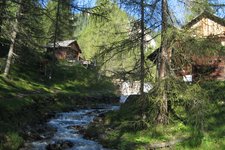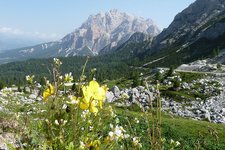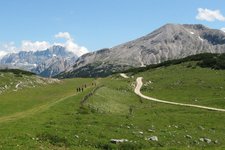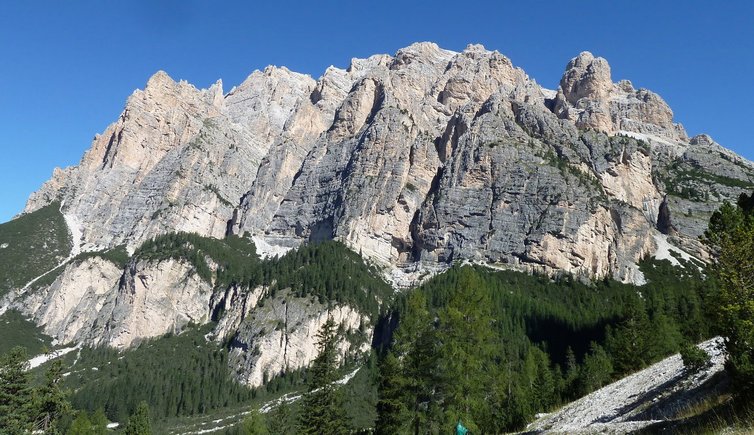
In the cave at the slopes of the 3,064 m high Mt. Piz Cunturines the remains of the cave bear Ursus ladinicus were found
Image gallery: Conturines Cave

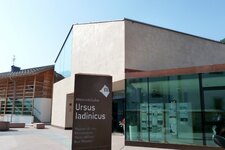
More than 50,000 years ago, a species of cave bear lived in Alta Badia's mountains: it was smaller than the cave bears living at lower elevations, weighed about 1.5 tons and fed on berries and herbaceous plants. Its habitat were the (no longer existing) mountain meadows around Mt. Piz Cunturines. Nowadays a museum in San Cassiano is dedicated to this rare cave bear known as Ursus ladinicus: the Museum Ladin - Ursus ladinicus.
His bones were discovered in 1987 by the mountain guide Willy Costamoling in the Conturines Cave, at an altitude of 2,800 metres, on the way to the top of Mount Piz Cunturines. At first, they were assigned to the Ursus spelaeus, the cave bear of the Pleistocene, but more detailed analyses have revealed that a new species was found: the Ursus ladinicus.
The Conturines Cave is the highest cave in the world where bones and remains of bears and cave lions have been found. It has now also been revealed that it is the oldest known cave in the Alps. Following 15 years of research, an international team of scientists has discovered that the oldest stalactites are just under six million years old. The study was presented in Bolzano in March 2026.
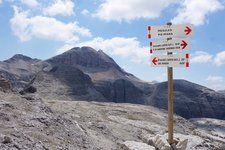
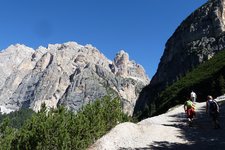
Nowadays a moderately difficult mountain tour leads to the Conturines Cave. It starts at the Capanna Alpina mountain hut (1,725 m a.s.l.) in San Cassiano and overcomes in about 5 hours more than 1,000 metres of altitude difference. The inside of the stalagmite cave is closed and only accessible on a guided tour. Guided hikes to the cave are offered on a regular basis.